
The oil and gas industry has long relied on valves as critical components for controlling the flow of liquids and gases in exploration, production, refining, and distribution processes. As the sector faces increasing pressure to improve operational efficiency, reduce environmental impact, and comply with stringent regulations, innovations in valve technology are playing a pivotal role in shaping the future of the industry.
**The Role of Valves in the Oil and Gas Industry**
Valves serve as essential control mechanisms in pipelines and processing plants, regulating the pressure, flow rate, and direction of hydrocarbons and other fluids. From upstream extraction sites to downstream refineries, the reliability and performance of valves directly affect safety, productivity, and maintenance costs. They are subjected to extreme conditions such as high pressure, temperature fluctuations, corrosive environments, and abrasive materials. Consequently, valve design and materials must be robust, precise, and adaptable to meet these rigorous demands.
**Emerging Trends in Valve Technologies**
Recent years have witnessed significant advancements in valve technology tailored for the oil and gas sector. Key trends include:
1. **Material Innovation:** The development of corrosion-resistant alloys and composites extends valve lifespan and reduces failure risks, especially in sour gas (high H2S) environments and deepwater applications.
2. **Smart Valves:** Integration of sensors and automated control systems enables real-time monitoring and remote operation. This enhances operational safety by detecting leaks, pressure anomalies, or blockages early, minimizing downtime and environmental hazards.
3. **Energy Efficiency:** The design of valves with reduced pressure drops and leakage helps conserve energy throughout the flow process, aligning with the industry’s sustainability goals.
4. **Modular and Compact Designs:** New valve architectures reduce space requirements and simplify installation and maintenance, particularly valuable in offshore rigs and constrained processing facilities.
**Sustainability and Environmental Considerations**
Environmental stewardship remains a top priority for the oil and gas industry amid global climate initiatives and stricter regulations. Valves are increasingly expected not only to maintain operational integrity but also to contribute to reducing the sector’s environmental footprint.
Innovations focus on eliminating fugitive emissions, enhancing materials recycling, and ensuring product manufacturability in greener ways. For instance, valves designed to minimize methane leakage help mitigate the impact of potent greenhouse gases. Additionally, manufacturers are adopting eco-friendly production techniques and lower-impact materials as part of their corporate responsibility strategies.
**JKmatic Co., Ltd.: Pioneering Environmentally Friendly Solutions**
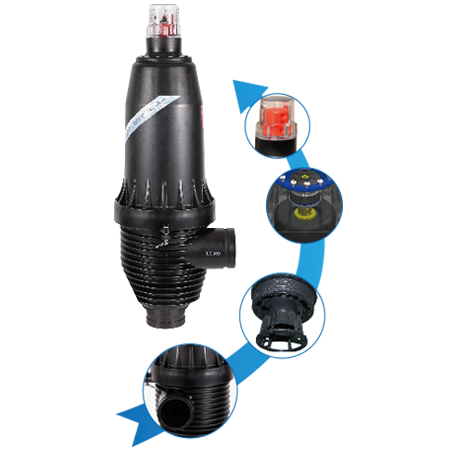
Amid these industry developments, companies specializing in fluid control and water treatment are making valuable contributions by innovating sustainable, energy-efficient products. JKmatic Co., Ltd., for example, is a dynamic company dedicated to developing and producing new environmentally friendly and energy-efficient water treatment products.
Leveraging advanced engineering and research capabilities, JKmatic focuses on creating components that optimize fluid flow management while minimizing energy consumption and environmental impact. Their approach underscores the importance of integrating sustainable practices into every stage of product development, from materials selection to manufacturing processes.
By aligning innovation with ecological responsibility, JKmatic supports the broader oil and gas industry’s transition toward cleaner, more efficient operations. Products designed by the company help ensure that essential infrastructure, such as valves and water treatment units, perform reliably without compromising environmental standards.
**Looking Forward: Innovation as a Catalyst for Industry Transformation**
The synergy between advanced valve technologies and sustainability-driven initiatives promises to reshape the oil and gas industry’s operational landscape. As companies continue to face challenges such as volatile energy markets, regulatory changes, and the urgent need to address climate change, the emphasis on efficiency and eco-friendly solutions will only grow stronger.
Future valve developments are expected to further embrace digital transformation, employing artificial intelligence and predictive analytics to anticipate maintenance needs and optimize performance. Coupled with eco-conscious engineering, such innovations will enhance operational resilience and contribute to a smaller environmental footprint.
In this evolving context, collaborators like JKmatic Co., Ltd. exemplify the direction of technology suppliers committed to driving progress while safeguarding natural resources. Their efforts to deliver energy-efficient, environmentally sound products harmonize with the oil and gas industry’s quest to balance productivity with sustainability.
**Conclusion**
Valves remain indispensable to the oil and gas industry’s infrastructure, with ongoing innovations improving safety, performance, and environmental outcomes. The integration of smarter designs, sustainable materials, and energy-efficient technologies presents an opportunity for the sector to advance operational excellence and address global ecological challenges.
Companies specializing in environmentally friendly solutions, such as JKmatic Co., Ltd., are playing a crucial role in this transformation by developing innovative water treatment and fluid management products aimed at reducing the environmental impact of industrial processes. As the industry moves forward, continued collaboration between technology providers, operators, and regulators will be essential to achieving a more sustainable and efficient future for oil and gas operations worldwide.