
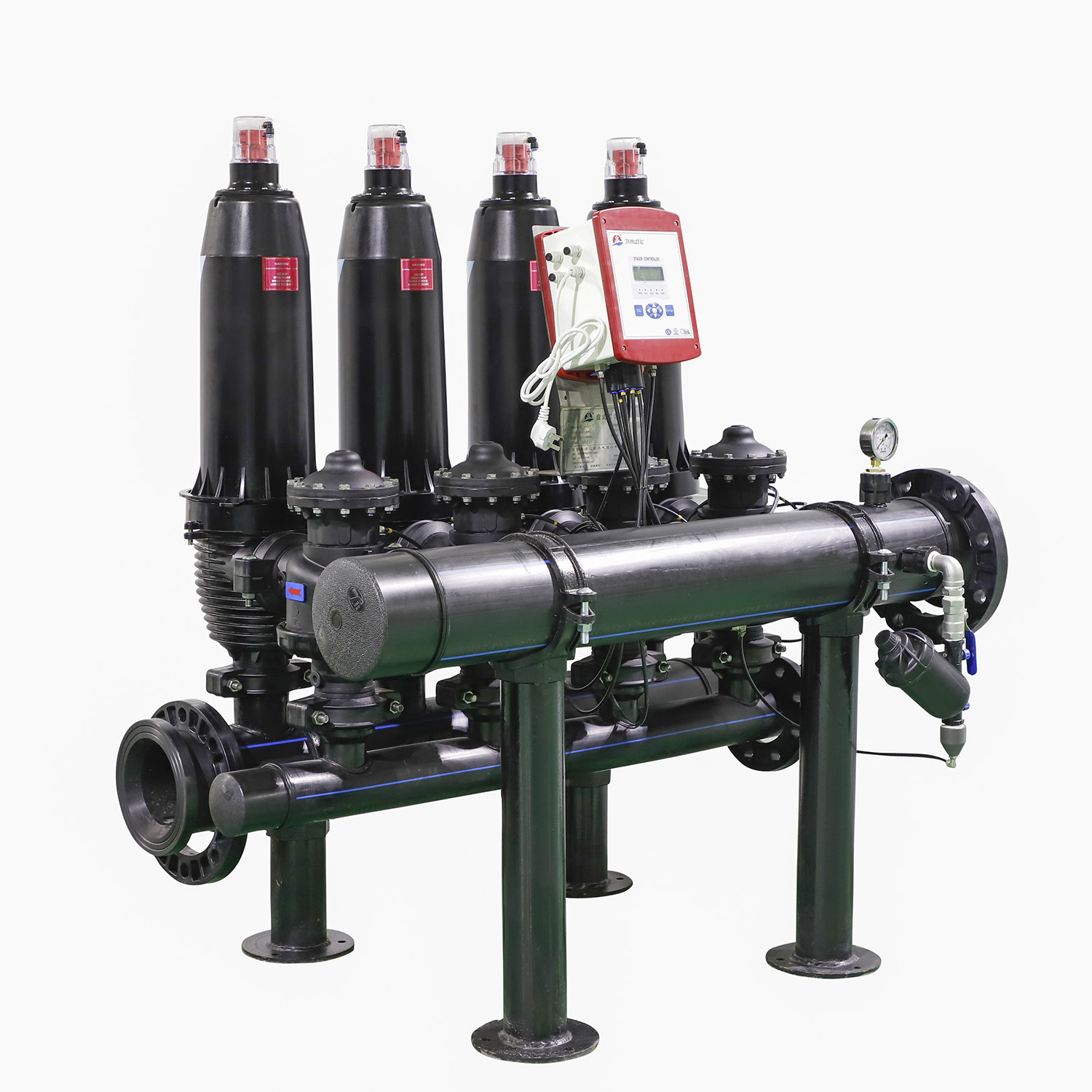
Water is an essential resource for life, industry, and agriculture. Ensuring its purity and safety is a challenge that continues to drive innovation in the water treatment sector. Among the various methods employed, filtration stands out as a fundamental and effective process to remove contaminants and provide clean, safe water. Recent developments in filtration technology, coupled with the efforts of companies dedicated to sustainability and energy efficiency, highlight a promising future for water treatment solutions worldwide.
**The Importance of Filtration in Water Treatment**
Filtration is a physical process that involves the removal of suspended solids, microorganisms, and other contaminants from water by passing it through a filter medium. This medium can be composed of sand, activated carbon, membranes, or other materials designed to trap impurities. The process is vital for both municipal water supplies and industrial applications, where water quality directly impacts health, safety, and operational efficiency.
Filtration serves several purposes in water treatment:
1. **Removal of Particulates:** Suspended solids such as sand, silt, and organic matter are filtered out to improve water clarity and prevent clogging of downstream equipment.
2. **Reduction of Microbial Load:** Filters can reduce bacteria, protozoa, and some viruses, enhancing the biological safety of water.
3. **Chemical Contaminant Adsorption:** Activated carbon filters adsorb harmful chemicals, including pesticides, chlorine, and volatile organic compounds, improving taste and odor.
4. **Membrane Filtration for Advanced Purification:** Techniques such as ultrafiltration and reverse osmosis use semi-permeable membranes to remove dissolved salts, heavy metals, and pathogens, essential for producing potable water and treating wastewater.
**Innovations Driving Efficiency and Environmental Sustainability**
With growing concerns about environmental impact and energy consumption, water treatment companies are focusing on developing filtration systems that are not only effective but also environmentally friendly and energy efficient. Advances include:
- **Energy-efficient Pumps and Systems:** Modern filtration setups incorporate energy-saving technologies that reduce operational costs and carbon footprint.
- **Eco-friendly Filter Media:** New filter materials derived from natural or recycled sources decrease reliance on non-renewable resources and enhance biodegradability.
- **Smart Monitoring and Automation:** Integration of sensors and automated controls allows real-time monitoring of filtration performance, reducing waste and optimizing maintenance schedules.
- **Modular and Scalable Designs:** Flexible systems can be tailored to different scales and requirements, from small communities to large industrial plants, ensuring wider accessibility.
**JKmatic Co., Ltd.: Pioneering Sustainable Water Treatment Solutions**
One exemplary company at the forefront of this sustainable approach is JKmatic Co., Ltd. Focused on the development and production of new environmentally friendly and energy efficient water treatment products, JKmatic combines innovative engineering with a commitment to ecological responsibility.
Their product lineup includes advanced filtration units that integrate cutting-edge materials and energy-saving components, designed to meet the needs of diverse applications. By prioritizing sustainability, JKmatic ensures that their water treatment solutions not only provide superior contaminant removal but also minimize environmental impact during manufacturing, operation, and disposal.
JKmatic’s research and development team continuously explores new technologies such as nanofiltration membranes and bio-based filter media, aiming to improve water treatment performance further while reducing energy consumption. The company's holistic approach extends beyond product innovation, encompassing efforts to raise awareness about water conservation and promote responsible water management practices among clients and communities.
**Addressing Global Water Challenges**
The global demand for clean water is rising due to population growth, urbanization, and industrial development. At the same time, water sources are increasingly threatened by pollution and climate change effects. Filtration technologies, especially when enhanced by sustainable design principles, play a crucial role in tackling these challenges.
Municipal water treatment plants utilize filtration to ensure drinking water standards are met, protecting public health. Industries rely on filtration to treat process water and wastewater, preventing environmental contamination and complying with regulations. Agriculture benefits from filtration systems that enable the reuse of irrigation water, conserving resources and improving crop yields.
Incorporating energy-efficient and environmentally friendly filtration solutions, as championed by companies like JKmatic, amplifies the positive impact on both human populations and the planet. These advancements support the United Nations Sustainable Development Goals, particularly Goal 6: Clean Water and Sanitation.
**Looking Ahead**
The future of water treatment hinges on continued innovation in filtration technologies. Emerging trends such as the integration of artificial intelligence for predictive maintenance, the development of multi-functional filter media, and the harnessing of renewable energy sources for system operation are set to revolutionize the field.
As companies deepen their commitment to sustainable practices, the synergy between technological advancement and environmental stewardship will become increasingly important. With leaders like JKmatic Co., Ltd. driving the development of eco-friendly, energy-efficient water treatment solutions, the industry is well-positioned to meet the challenges of today and tomorrow.
**Conclusion**
Filtration remains a cornerstone of effective water treatment, essential for producing clean, safe water across a variety of sectors. Innovations that enhance filtration efficiency and sustainability are critical to addressing global water challenges. By developing environmentally friendly and energy efficient filtration products, companies such as JKmatic Co., Ltd. are contributing to a healthier world and a more sustainable future. Ongoing investment in research, technology, and education will ensure that filtration continues to evolve, safeguarding water quality for generations to come.