
Water is an essential resource for life, industry, and the environment. Ensuring access to clean and safe water has become a global priority as populations grow and industries expand. Among the various stages of water treatment, filtration stands out as a crucial process that effectively removes impurities, contaminants, and harmful substances to make water suitable for consumption and industrial use. Recent developments in filtration technology, driven by a commitment to sustainability and energy efficiency, are transforming the water treatment landscape.
### The Importance of Filtration in Water Treatment
Filtration is a key step in water treatment that involves the physical removal of suspended solids, turbidity, microorganisms, and other particles from water. This process enhances water clarity and quality, reducing health risks and environmental impact. Depending on source water characteristics and treatment goals, filtration methods can vary from conventional sand filters to advanced membrane filtration systems.
The primary types of filtration include rapid sand filtration, multimedia filtration, and membrane technologies such as microfiltration, ultrafiltration, nanofiltration, and reverse osmosis. Each method targets different contaminants and provides a particular level of purification. For instance, membrane filters are highly effective at removing pathogens and microscopic particles, while sand filters excel at treating turbid water with higher particulate loads.
### Innovative Filtration Solutions for a Sustainable Future
In recent years, the water treatment industry has seen significant innovation focusing on environmentally friendly and energy-efficient filtration solutions. Companies developing these technologies aim to balance operational performance with sustainability, reducing energy consumption and minimizing chemical use during treatment.
A notable example can be found in the commitment of companies like JKmatic Co., Ltd., a pioneering enterprise dedicated to developing and producing new environmentally friendly and energy-efficient water treatment products. By investing in research and development, such organizations contribute to the advancement of filtration technologies that meet stringent environmental standards while maintaining high treatment efficacy.
### Environmentally Friendly Filtration Technologies
Traditional filtration processes often rely heavily on chemicals for coagulation and disinfection, which may have environmental drawbacks such as chemical waste generation and potential formation of harmful by-products. New filtration technologies seek to minimize or eliminate such dependencies.
One approach includes the use of natural and biodegradable filter media that reduce environmental impact and improve the sustainability of the filtration process. Additionally, integrated systems that combine filtration with natural treatment methods, such as biofiltration using microorganisms to break down contaminants, are gaining traction.
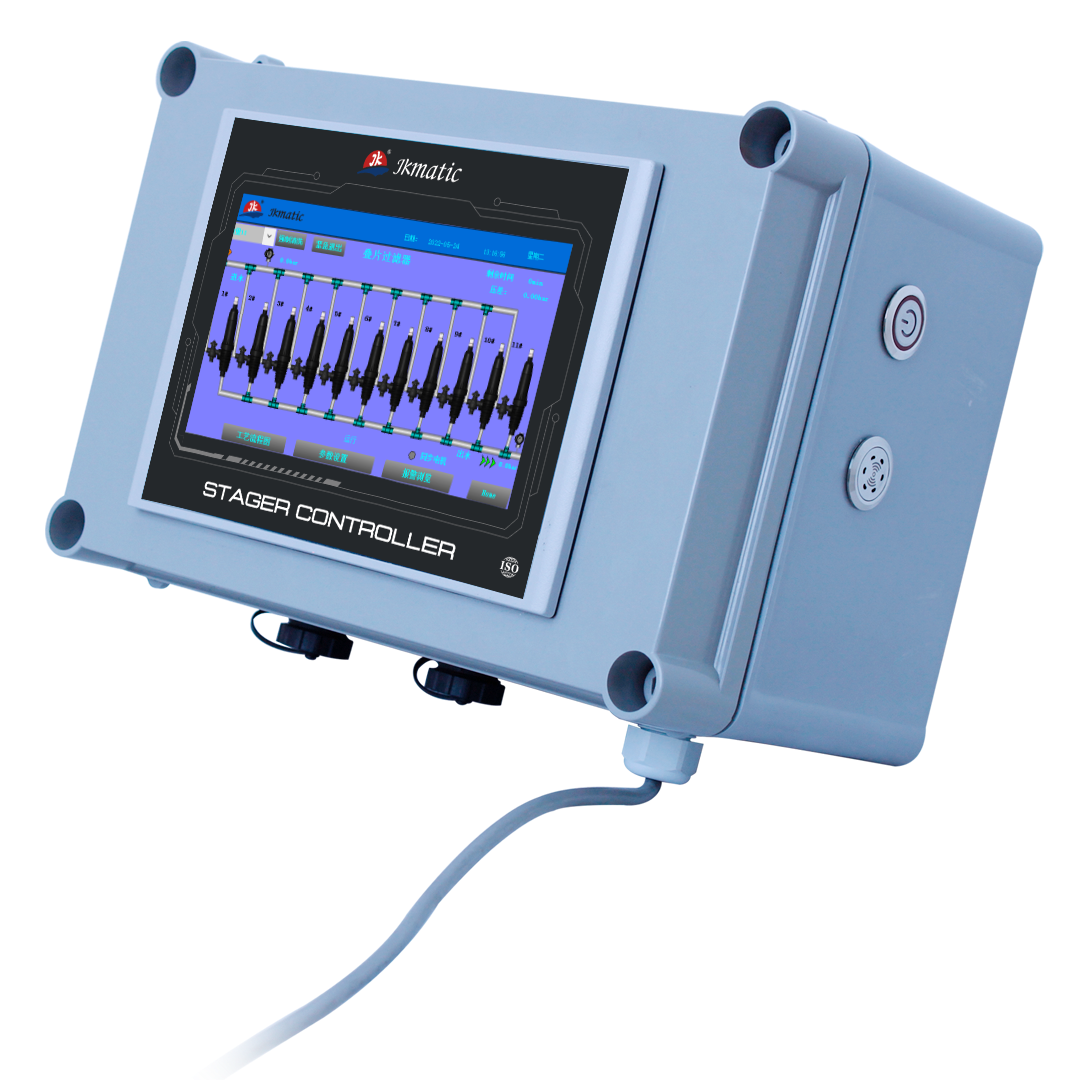
Moreover, the introduction of smart filtration systems equipped with sensors and automation allows real-time monitoring of water quality and filter performance. This data-driven approach optimizes filter backwashing cycles and chemical dosing, effectively reducing waste and energy consumption.
### Energy Efficient Filtration: A Key to Reducing Operational Costs
Energy consumption is a major component of water treatment operational costs. Filtration processes, especially those involving membrane systems, can be energy-intensive due to the need for high-pressure pumping and frequent maintenance.
Innovations spearheaded by forward-looking companies emphasize energy efficiency by improving membrane permeability, developing low-fouling surfaces that reduce clogging, and optimizing system hydraulics. These advancements result in lower power requirements and extend the lifespan of filtration equipment.
JKmatic Co., Ltd.'s development of new water treatment products embodies this philosophy by combining cutting-edge materials science with process engineering to deliver filtration solutions that reduce energy use without compromising water quality. Their products demonstrate how technology can align environmental stewardship with economic feasibility.
### Applications Across Diverse Sectors
Effective filtration technologies have widespread applications across municipal water supply, industrial wastewater treatment, agricultural irrigation, and even in emerging fields such as water recycling and desalination.
Municipal water utilities benefit from improved filtration units to comply with strict drinking water standards, ensuring public health protection. Industries, including food and beverage, pharmaceuticals, and electronics manufacturing, require ultra-pure water, which is achievable only through advanced filtration methods.
In agriculture, filtration ensures clean water delivery for irrigation, enhancing crop yield and preventing soil contamination. Furthermore, as water scarcity intensifies, filtration plays a pivotal role in enabling water reuse by removing contaminants to levels safe for specific reuse purposes.
### Challenges and Future Prospects
While filtration technology continues to evolve, challenges remain. Filter fouling, membrane degradation, and system complexity can affect performance and cost-effectiveness. Thus, ongoing innovation in materials science, process controls, and system integration is critical.
The future of water treatment filtration lies in smart, adaptable systems that integrate with broader water management frameworks. Innovations such as nanomaterial-enhanced membranes, AI-driven process optimization, and modular, scalable filtration units are anticipated to revolutionize the industry.
### Conclusion
Filtration remains an indispensable component of water treatment, ensuring the delivery of safe, clean water to meet growing global demands. The emergence of environmentally friendly and energy-efficient filtration products exemplifies a positive shift towards sustainable water management.
Companies like JKmatic Co., Ltd., dedicated to advancing such technologies, play a vital role by providing innovative solutions that address both environmental and operational challenges. As filtration technologies continue to develop, they hold the promise of enabling a more sustainable and resilient water future for communities and industries worldwide.