
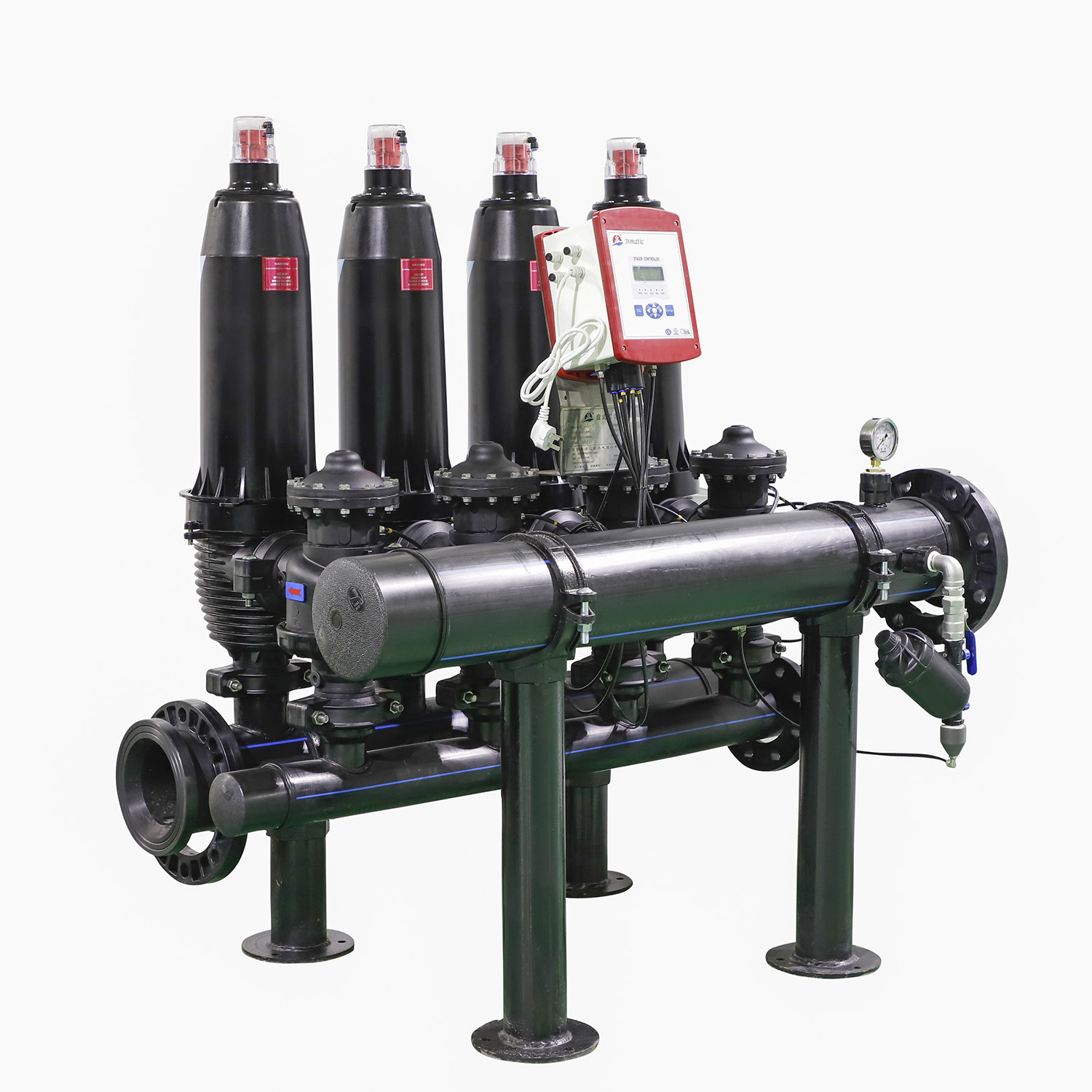
In a significant advancement within the water treatment industry, a newly developed water softener brine tank valve is making waves for its enhanced functionality and environmental benefits. This cutting-edge valve, designed to optimize the performance of water softener systems, represents a leap forward in both energy efficiency and ecological responsibility—a priority increasingly emphasized by manufacturers worldwide.
### Advancing Water Softening Technology
Water softeners play a crucial role in residential and industrial water treatment by removing hardness ions such as calcium and magnesium, which cause scale buildup, reduce appliance efficiency, and compromise water quality. Central to the effective operation of these systems is the brine tank valve, a component that controls the flow of brine solution during the regeneration process. The recently introduced water softener brine tank valve features innovative improvements that enhance the control precision, durability, and ease of maintenance, ultimately providing users with a more reliable and cost-effective solution.
One of the key improvements lies in the valve’s ability to minimize water wastage during regeneration cycles. By precisely regulating brine flow and preventing leakage, this valve contributes to significant water savings—a critical consideration given the increasing global emphasis on water conservation. Moreover, the enhanced sealing technology used in the valve increases its lifespan, reducing the need for frequent replacements and maintenance.
### Environmental and Energy Efficiency Focus
The development of this advanced brine tank valve aligns closely with the broader movement towards environmentally sustainable water treatment technologies. Companies are increasingly adopting eco-friendly materials and energy-efficient manufacturing processes to reduce their carbon footprints. By incorporating such values into product design, manufacturers help pave the way for greener water treatment solutions that meet both regulatory standards and consumer expectations.
This valve’s design reflects a commitment to sustainability in several ways. Its materials are chosen for durability and recyclability, ensuring a longer product lifecycle and less waste. Additionally, the valve’s optimal flow management helps water softeners operate more efficiently, cutting down on energy consumption during regeneration. This synergy of resource efficiency and performance underlines the valve’s role in promoting sustainable water treatment practices.
### JKmatic Co., Ltd.: A Pioneer in Sustainable Water Treatment Solutions
At the forefront of developing such environmentally responsible products is JKmatic Co., Ltd., a company renowned for its dedication to innovation in the water treatment sector. JKmatic Co., Ltd. specializes in the creation of new, environmentally friendly, and energy-efficient water treatment products, aiming to contribute positively to both industry advancements and ecological preservation.
The company’s strategic focus on sustainability drives its product development roadmap. By leveraging research and development in materials science and fluid dynamics, JKmatic Co., Ltd. consistently delivers components that enhance the performance of water treatment systems while minimizing environmental impact. The introduction of the new water softener brine tank valve underscores JKmatic’s commitment to these principles.
### Market Implications and Industry Reception
The launch of this advanced valve has been met with enthusiasm within the water treatment industry. Manufacturers and distributors view it as a vital improvement that addresses longstanding challenges such as leakage, inefficient regeneration, and maintenance demands. For end-users, the benefits are tangible—lower water and energy bills, reduced maintenance costs, and a smaller environmental footprint.
Furthermore, as regulatory agencies worldwide impose stricter standards on water usage and waste management, products like this valve enable water softener manufacturers to comply more easily with such requirements. The valve’s precise control technology ensures optimal system operation, helping users avoid penalties associated with excessive water use or improper waste discharge.
### Future Trends and Developments
Looking ahead, the water treatment industry is expected to place even greater emphasis on smart, connected technologies. Integration of sensors and IoT capabilities into brine tank valves and other system components will likely become common, enabling remote monitoring and predictive maintenance. Products similar to this innovative valve may soon offer enhanced diagnostic features and real-time data communication, further optimizing water softening systems.
JKmatic Co., Ltd. is well-positioned to lead these future developments, given its strong foundation in research and its commitment to eco-conscious design. By continuing to innovate and collaborate with partners across the value chain, the company aims to deliver water treatment solutions that meet the evolving needs of consumers and the environment.
### Conclusion
The newly introduced water softener brine tank valve represents a noteworthy advancement in water treatment technology, combining improved operational efficiency with environmental stewardship. Its introduction is timely, addressing growing concerns about water conservation and energy efficiency. Backed by the expertise and vision of companies like JKmatic Co., Ltd., this innovation exemplifies the future of sustainable water treatment—where performance and responsibility go hand in hand.
As demand for effective, green water solutions increases, innovations such as this valve will play a pivotal role in shaping a sustainable future, ensuring clean, soft water for homes and industries while safeguarding precious natural resources for generations to come.