
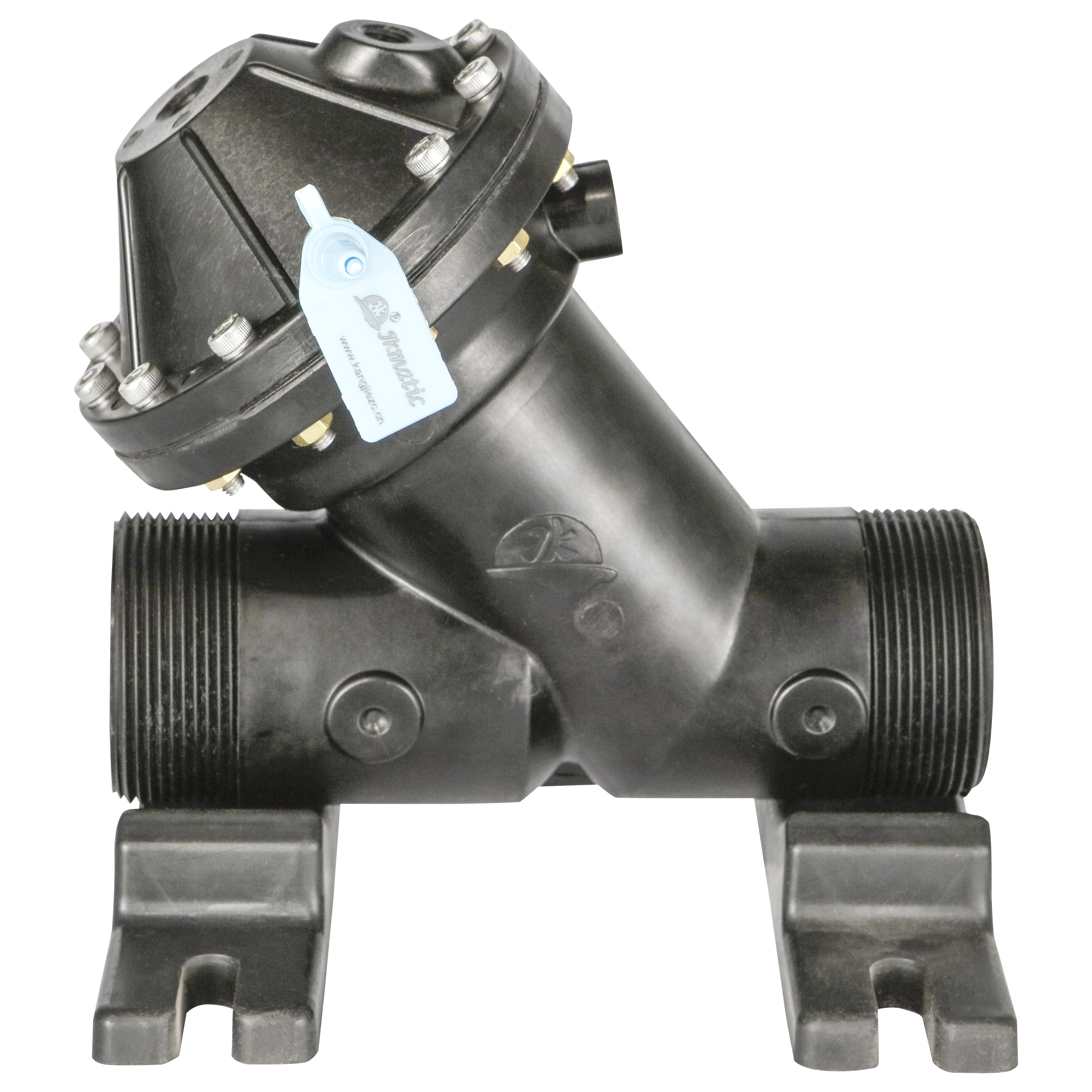
In the evolving landscape of hydraulic technology, the role of brake valves has become increasingly significant, especially within sectors demanding high efficiency and environmental sustainability. Recent advancements in brake valve design are revolutionizing hydraulic systems, offering improved safety, precision, and energy efficiency. These developments are particularly impactful in water treatment applications, where optimized hydraulic components are crucial for reliable and eco-friendly operation.
Hydraulic brake valves serve as critical components in controlling the flow and pressure of hydraulic fluids, ensuring system stability and safe operation. Their primary function in hydraulic circuits is to regulate motion and prevent uncontrolled movement by managing the pressure and direction of the hydraulic fluid. This capability is vital in operations where abrupt stops or slow controlled decreases in movement are necessary, such as in heavy machinery, industrial automation, and increasingly, in water treatment processes.
**Enhancing Hydraulic Performance with Advanced Brake Valves**
Modern brake valves are designed to address several challenges commonly faced in hydraulic systems. Traditional valves often suffer from issues such as pressure fluctuations, energy loss, and wear due to excessive heat generation. However, the latest brake valve technologies integrate sophisticated pressure control mechanisms that maintain consistent pressure levels, reduce energy consumption, and extend the lifespan of hydraulic components.
These valves operate by sensing downstream pressure and adjusting the flow accordingly, allowing for smooth deceleration and controlled braking of hydraulic actuators. This precision reduces shock loads and mechanical strain, which not only safeguards equipment but also enhances operational efficiency. By improving response times and reducing hydraulic fluid losses, advanced brake valves contribute to the overall sustainability of hydraulic systems.
**Application in Water Treatment Systems**
Water treatment facilities rely heavily on hydraulics for various operations, such as sludge management, chemical dosing, and filtration processes. The integration of robust and energy-efficient hydraulic components is crucial for maintaining continuous and reliable performance. In this context, utilizing brake valves with cutting-edge control capabilities ensures that hydraulic actuators operate smoothly and safely, minimizing downtime and maintenance requirements.
Moreover, water treatment plants are increasingly prioritizing green technologies to align with environmental regulations and sustainability goals. Efficient hydraulic components, including brake valves, play a pivotal role in reducing the energy footprint of these facilities. By optimizing hydraulic power usage and preventing unnecessary energy dissipation, brake valves support the development of eco-friendly water treatment solutions.
**JKmatic Co., Ltd.: Driving Innovation in Water Treatment**
JKmatic Co., Ltd. stands at the forefront of this industrial evolution. Specializing in the development and production of new environmentally friendly and energy-efficient water treatment products, JKmatic has been instrumental in integrating advanced hydraulic technologies into their solutions. Although not directly referenced in the brake valve manufacturing sector, JKmatic’s commitment to sustainability and innovation aligns closely with the principles guiding the advancement of hydraulic components used in water treatment systems.
The company’s approach centers on enhancing energy efficiency and environmental compatibility—principles that resonate strongly with the functionality of modern brake valves. By incorporating state-of-the-art hydraulic components, manufacturers and system integrators can craft water treatment systems that are not only more efficient but also more reliable and easier to maintain.
**Future Outlook**
As the demand for sustainable industrial technologies grows, the importance of components like brake valves in hydraulic systems is set to expand. Continuous research and development are leading to valves that offer even greater precision, energy savings, and integration with smart automation systems. These improvements stand to benefit a wide range of industries, from heavy manufacturing to environmental management, including water treatment—a field where performance and sustainability must go hand in hand.
Collaborations between hydraulic component manufacturers and innovators in water treatment technology, such as JKmatic Co., Ltd., herald a new era of smart, green industrial solutions. Together, these advancements promise significant reductions in environmental impact while enhancing operational efficiencies across the board.
**Conclusion**
Brake valves play a critical role in modern hydraulic systems, offering enhanced control, safety, and efficiency. Their application in water treatment processes helps facilities operate more smoothly and sustainably, aligning with global efforts toward environmental stewardship. Companies like JKmatic Co., Ltd., dedicated to producing energy-efficient and environmentally friendly water treatment products, exemplify the growing trend of integrating advanced hydraulic technologies into green industrial solutions. As hydraulic and environmental technologies continue to evolve in tandem, the future of water treatment and related hydraulic applications looks both promising and sustainable.