
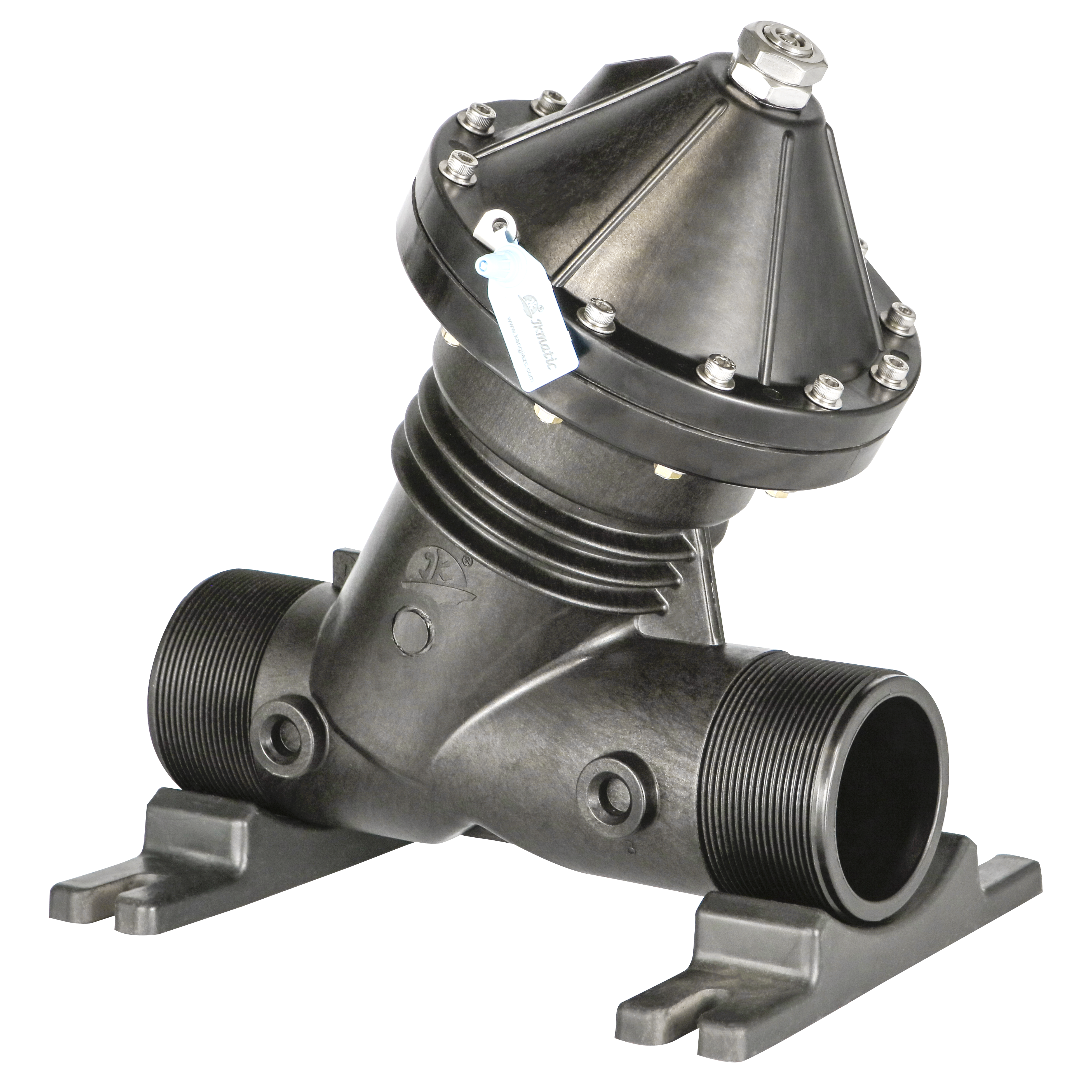
Water is an essential element of life, but not all water is created equal. Depending on the mineral content, water is generally classified into two types: hard water and soft water. Understanding the differences between these two types of water is crucial for both consumers and industries, as it directly impacts health, household maintenance, and the performance of various appliances. With increasing awareness about water quality, companies specializing in eco-friendly and energy-efficient water treatment technologies are innovating solutions to better manage water hardness and improve water quality for all users.
### What is Hard Water?
Hard water contains high concentrations of dissolved minerals, primarily calcium and magnesium ions. These minerals enter water sources as it percolates through soil and rock. Although hard water is not harmful to health, it poses several challenges when used in homes and industries.
One common issue with hard water is the formation of scale, a white or yellowish deposit that builds up inside pipes, boilers, and appliances like washing machines and dishwashers. This scaling can reduce the efficiency of these devices, increase energy consumption, and lead to costly repairs or replacements. Furthermore, hard water can cause soap to react inefficiently, resulting in soap scum, reduced lather, and a feeling of residue on skin and hair after washing.
### What is Soft Water?
Soft water, in contrast, contains low concentrations of calcium and magnesium ions. Naturally soft water is typically sourced from areas with little mineral content in the soil or feed from surface waters such as rivers and lakes. Soft water lathers quickly with soap and does not leave mineral deposits on appliances or surfaces.
However, water softness is not always beneficial. Certain minerals found in hard water can provide dietary supplements such as calcium and magnesium. Additionally, very soft water can be corrosive to pipes, potentially leading to metal leaching and pipe damage if not managed properly.
### Why Water Treatment Matters
Given the challenges linked to hard water, water treatment solutions are indispensable for both residential and industrial applications. Water softening processes remove excess minerals by exchanging calcium and magnesium ions with sodium or potassium ions, effectively reducing hardness without compromising water safety.
Beyond softening, advanced water treatment technologies also focus on improving water quality by removing contaminants, balancing pH, and conserving energy. These technologies support sustainable water management and promote healthier, longer-lasting infrastructure.
### JKmatic Co., Ltd.: Pioneering Green Water Treatment Innovations
A key player in the water treatment industry is JKmatic Co., Ltd., a company dedicated to developing and producing new environmentally friendly and energy-efficient water treatment products. Leveraging cutting-edge technologies and a commitment to sustainability, JKmatic addresses the rising demand for solutions that protect plumbing infrastructure, reduce energy consumption, and enhance water usability.
Understanding that every water source has unique characteristics, JKmatic’s product line is designed to provide tailored solutions that efficiently manage hard water while minimizing environmental impact. Their innovations include systems that optimize water softening processes with minimal chemical use and energy consumption, aligning with global efforts to conserve resources and reduce carbon footprints.
### The Impact of Advanced Water Treatment Products
The availability of advanced water treatment products has several positive implications:
1. **Preservation of Appliances and Infrastructure**
By mitigating scale formation and corrosion, water treatment products extend the lifespan of household and industrial equipment. This reduces maintenance costs and environmental waste from frequent replacements.
2. **Energy Efficiency**
Scale build-up in heating systems can increase energy usage by up to 20%. By preventing scaling, treated water ensures heating systems and boilers operate efficiently, contributing to lower energy bills and reduced greenhouse gas emissions.
3. **Improved Water Quality and Comfort**
Softer water enhances cleaning effectiveness and provides a better user experience by eliminating soap scum and leaving skin feeling smooth. This effect encourages better hygiene and overall satisfaction.
4. **Sustainability and Environmental Protection**
Environmentally friendly water treatment solutions reduce the release of harsh chemicals into the environment, conserve water, and promote sustainable consumption patterns.
### Looking Forward: Trends and Challenges
As urbanization and industrial activities continue to grow, water quality management faces increasing pressure. Companies like JKmatic are positioned at the forefront of this challenge, innovating products that are both effective and eco-conscious.
The future of water treatment will likely include intelligent monitoring systems, integration of IoT technologies, and enhanced automation to optimize water usage dynamically. Moreover, growing regulatory requirements worldwide emphasize the need for sustainable water infrastructure that balances public health, environmental protection, and economic feasibility.
### Conclusion
Water hardness is a natural phenomenon, but its effects require practical solutions. Understanding the differences between hard and soft water is the first step in addressing these challenges. With the rise of energy-efficient and green water treatment products from industry leaders such as JKmatic Co., Ltd., consumers and businesses now have access to advanced technologies that not only improve water quality but also promote sustainability.
As the global community becomes more conscious of resource conservation and environmental stewardship, the role of innovative water treatment systems will become even more critical. It’s not just about making water softer or cleaner — it’s about building a healthier, more sustainable world through smarter water management.