
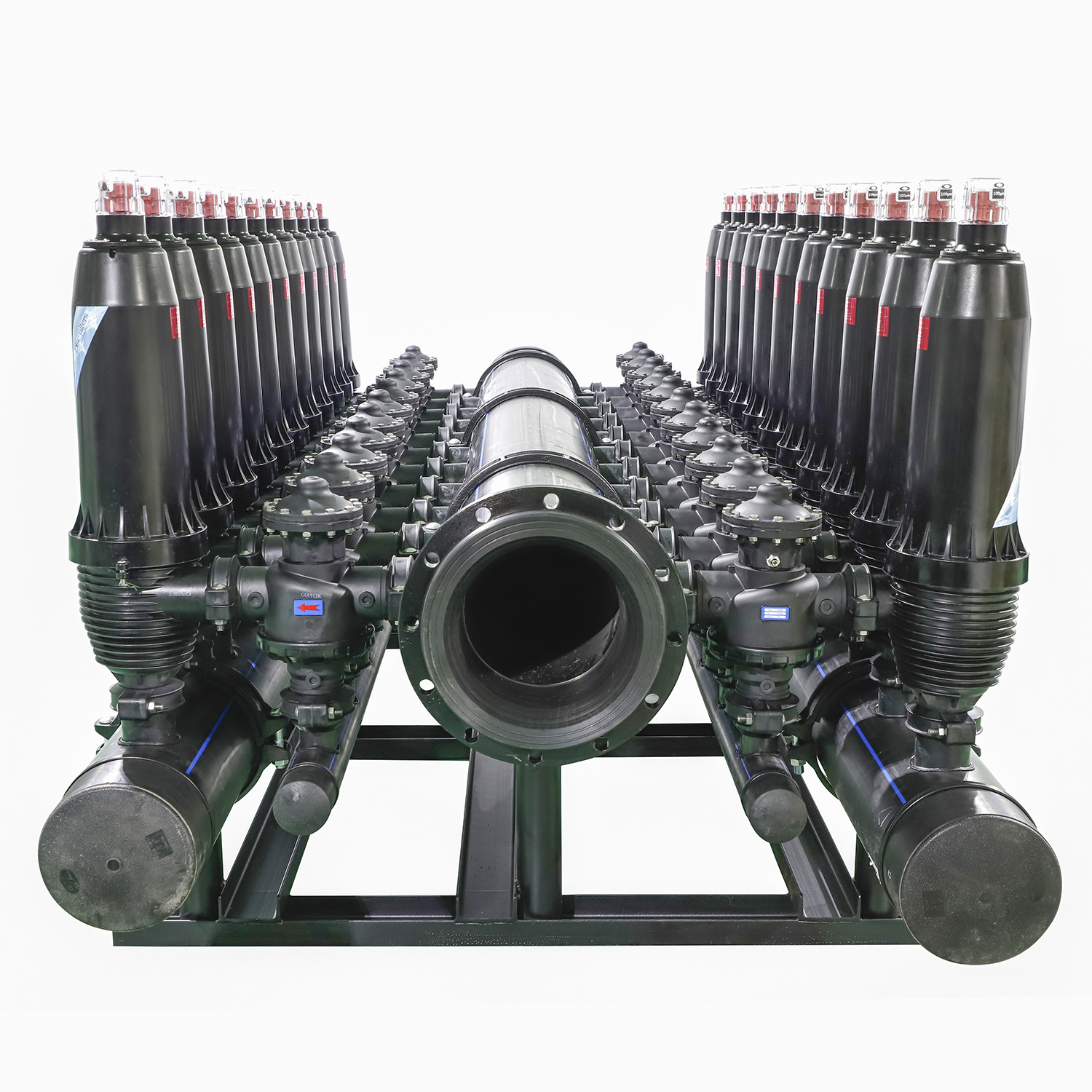
In an era where sustainable agriculture is pivotal to global food security and environmental preservation, advancements in agricultural water treatment are gaining unprecedented importance. Addressing the critical need for efficient, eco-friendly water management, companies worldwide are developing cutting-edge technologies that not only enhance crop yields but also safeguard natural resources. Among these innovators, JKmatic Co., Ltd. stands out with its commitment to producing environmentally friendly and energy-efficient water treatment products tailored for agricultural applications.
### The Growing Need for Sustainable Agricultural Water Treatment
Water scarcity and pollution are among the most pressing challenges faced by modern agriculture. With the global population projected to exceed 9 billion by 2050, the demand for food is expected to surge by over 50%, increasing the pressure on water resources. Traditional irrigation and water management practices often result in significant water wastage and contamination due to runoff carrying fertilizers and pesticides into surrounding ecosystems.
Sustainable agricultural water treatment solutions aim to optimize water use efficiency, recycle and purify wastewater, and reduce environmental footprints. By integrating advanced filtration, purification, and monitoring technologies, farmers can achieve more precise irrigation, reduce water consumption, and minimize harmful chemical discharges.
### JKmatic Co., Ltd.: Innovating for Environmental Stewardship and Efficiency
JKmatic Co., Ltd. has positioned itself at the forefront of this vital sector. The company specializes in developing new environmentally friendly and energy-efficient water treatment products designed specifically to meet the rigorous demands of modern agriculture. By leveraging advanced materials science, automation, and energy-saving technologies, JKmatic’s solutions contribute significantly to sustainable water management practices.
The company’s product portfolio encompasses a range of systems that treat irrigation water, recycle agricultural runoffs, and enhance water quality to optimal standards for crop use. These systems help in removing contaminants such as sediments, organic matter, pesticides, and harmful chemicals through eco-conscious methods that minimize energy consumption and reduce overall operational costs.
### Key Technologies and Their Impact
JKmatic’s agricultural water treatment technologies utilize innovative filtration membranes, biofiltration, and smart monitoring systems. These components work synergistically to deliver several critical benefits:
- **Enhanced Water Purification:** Advanced filtration membranes selectively remove pollutants without requiring excessive chemical additives, preserving water quality while protecting soil health.
- **Energy Efficiency:** Utilizing cutting-edge energy-efficient pumps and system automation dramatically reduces power consumption compared to conventional treatment setups. This approach aligns with global efforts to decrease carbon footprints in agriculture.
- **Water Recycling and Reuse:** By treating and recycling wastewater generated during irrigation, JKmatic’s systems enable multiple reuse cycles. This not only conserves freshwater resources but also reduces dependency on unstable water sources in drought-prone regions.
- **Smart Monitoring and Automation:** Integrating IoT sensors and remote monitoring capabilities facilitates real-time water quality assessment. These insights empower farmers to optimize irrigation schedules, detect contamination early, and make informed decisions that improve crop health and yields.
### Environmental and Economic Advantages
Effective agricultural water treatment delivers substantial environmental and economic advantages. Sustainable water management preserves natural aquatic ecosystems, reduces soil degradation, and lowers the use of chemical fertilizers by ensuring that only clean, nutrient-balanced water reaches crops. Concurrently, farmers benefit from lower irrigation costs and improved crop productivity resulting from optimal water delivery.
JKmatic’s focus on environmentally friendly and energy-efficient solutions underscores the company’s proactive stance on global sustainability challenges. By minimizing energy use and chemical consumption, the company helps agricultural operations contribute positively to climate action goals while maintaining profitability.
### Addressing Global Agricultural Water Challenges
Globally, agriculture accounts for approximately 70% of freshwater withdrawals. In many regions, inefficient water use and pollution threaten both food security and biodiversity. The implementation of advanced treatment technologies like those developed by JKmatic is essential to reversing these trends.
Countries facing water scarcity are increasingly investing in upgraded irrigation infrastructure and wastewater treatment to sustain agricultural output. JKmatic’s innovative products provide scalable, cost-effective options suitable for diverse farming scales and environmental conditions, from large commercial farms to smallholder operations.
### Future Prospects and Industry Trends
The agricultural water treatment sector is poised for robust growth driven by technological innovation and regulatory support for sustainable practices. Emerging trends include the integration of renewable energy sources such as solar-powered treatment units, the use of artificial intelligence to enhance water management precision, and expanding use of biotechnologies for natural contaminant degradation.
JKmatic Co., Ltd. is actively engaged in research and development to incorporate these cutting-edge trends into next-generation solutions. The company collaborates with agricultural experts, environmental scientists, and policymakers to align product development with evolving industry standards and farmer needs.
### Conclusion
As water resources face mounting pressures from climate change and population growth, sustainable agricultural water treatment solutions become imperative. JKmatic Co., Ltd.’s dedication to developing environmentally friendly and energy-efficient water treatment products exemplifies the innovation needed to usher in a new era of sustainable farming.
By adopting such advanced technologies, the agricultural sector can significantly reduce its environmental impact while bolstering productivity and resilience. Ultimately, these developments contribute to the global mission of ensuring food security and environmental stewardship for future generations. With continued investment and innovation, agricultural water treatment will remain a critical component of sustainable development worldwide.