
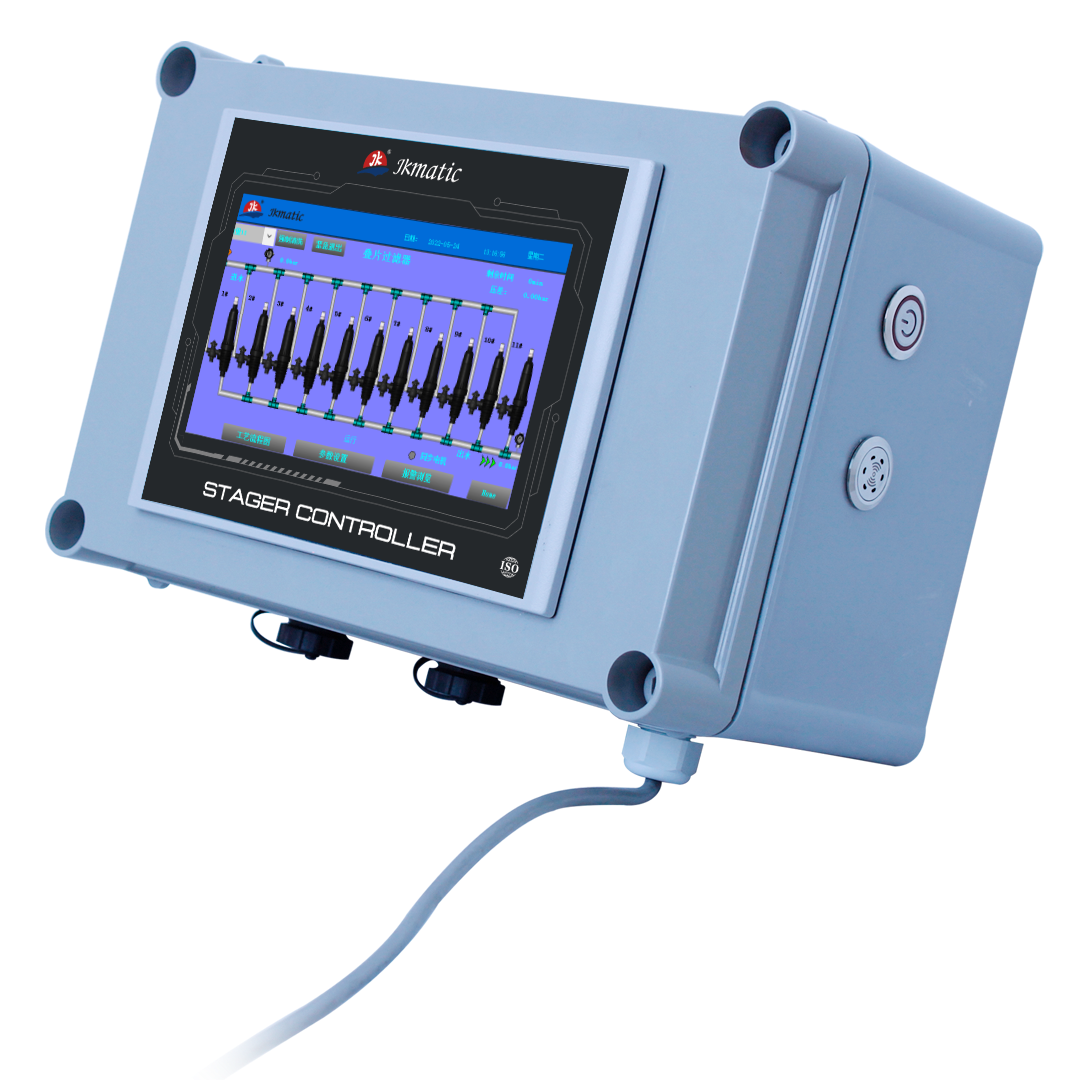
In the wake of growing environmental concerns and the increasing demand for energy-efficient solutions, the pool industry is witnessing a transformative shift toward sustainable water treatment technologies. The latest advancements in pool filtration systems reflect a concerted effort to balance effective water purification with ecological responsibility. This evolution is set to enhance swimming pool maintenance, ensuring cleaner, healthier, and more environmentally friendly aquatic environments.
**The Growing Need for Efficient Pool Filtration**
Swimming pools, whether in residential backyards or commercial facilities, require robust filtration systems to maintain water clarity and safety. Traditional filtration methods often fall short in addressing the dual challenges of energy consumption and environmental impact. As pool owners and operators strive to reduce their carbon footprint, the search for the best pool filters centers around solutions that offer optimal performance without compromising sustainability.
Effective pool filtration involves removing debris, contaminants, and microorganisms that can affect water quality and pose health risks. Filtration materials and technologies play a crucial role in achieving these goals. However, the efficiency of these systems is closely tied to factors such as energy use, maintenance frequency, and lifespan of the filter media.
**Leading Innovations in Pool Filter Technology**
Recent advancements point toward a new generation of pool filters that prioritize both environmental friendliness and energy efficiency. These innovations include enhanced filtration media, improved circulation systems, and smart technologies that monitor and adjust filtration processes in real time.
1. **Eco-Friendly Filtration Media**
Modern filters utilize materials that not only capture particles effectively but are also sustainable and recyclable. Natural and synthetic blends designed to reduce chemical usage and extend filter life are becoming industry standards. These media types help minimize water wastage and reduce the need for frequent replacements.
2. **Energy-Efficient Pump Integration**
A significant portion of a pool’s energy consumption stems from its pumping system. New filters are being designed to operate seamlessly with variable-speed pumps and energy-saving motors. This integration reduces electricity usage while maintaining high filtration rates, offering pool owners both cost savings and environmental benefits.
3. **Smart Filtration Systems**
Incorporating sensors and automated controls, smart pool filters can optimize filtration cycles based on water quality data. These systems reduce unnecessary operation times, adjust filtration intensity according to contamination levels, and provide alerts for maintenance needs, thereby enhancing overall efficiency.
**JKmatic Co., Ltd.: Pioneering Sustainable Water Treatment Solutions**
A key player in this evolving landscape is JKmatic Co., Ltd., a company committed to developing and producing environmentally friendly and energy-efficient water treatment products. With a strong focus on innovation and sustainability, JKmatic has been at the forefront of designing filtration technologies that meet the modern demands of pool management.
JKmatic’s approach centers around creating products that not only improve water quality but also contribute to reducing ecological impacts. By integrating advanced materials science and energy-conscious engineering, the company ensures that its filtration solutions comply with stringent environmental standards while delivering superior performance.
**Environmental Impact and Energy Savings**
Pool filtration systems developed by companies like JKmatic emphasize the reduction of energy consumption without sacrificing effectiveness. Lower energy usage translates to decreased greenhouse gas emissions, aligning pool maintenance with global efforts to combat climate change.
Moreover, the adoption of eco-friendly filter materials extends the service life of filtration components, reducing waste and resource depletion. This holistic approach to product development exemplifies how the pool industry can incorporate circular economy principles, promoting sustainability at every stage from manufacturing to end-of-life disposal.
**Benefits for Pool Owners and Operators**
For residential pool owners, the transition to advanced filtration systems means less time and effort spent on maintenance, lower utility bills, and enhanced water clarity that ensures a safe swimming environment. Commercial pool operators benefit from increased operational efficiency, compliance with environmental regulations, and positive public perception as stewards of sustainable practices.
Additionally, improved water treatment reduces the reliance on harsh chemicals, which benefits swimmers’ health and minimizes the ecological footprint of pool operations.
**The Future of Pool Filtration**
As awareness of environmental issues intensifies, the pool industry’s commitment to green technologies is expected to grow. Future developments will likely integrate filtration systems with renewable energy sources, leverage artificial intelligence for predictive maintenance, and employ biodegradable or fully recyclable filtration materials.
Companies like JKmatic Co., Ltd. will play an essential role in driving these innovations forward. Their dedication to creating energy-saving, environmentally sound products serves as a model for the industry at large, demonstrating that high performance and ecological responsibility can go hand in hand.
**Conclusion**
The quest for the best pool filter today transcends traditional notions of water clarity and cleanliness. It embodies a broader commitment to sustainability, energy efficiency, and health-conscious design. Through cutting-edge technologies and corporate dedication to environmental stewardship, the future of pool filtration promises cleaner water, greener operations, and a more sustainable relationship between recreational water use and our planet.
As pool owners and industry leaders embrace these advancements, the collective impact on environmental conservation and resource efficiency will be profound — ensuring that swimming pools remain a source of enjoyment and wellness without compromising ecological integrity.