
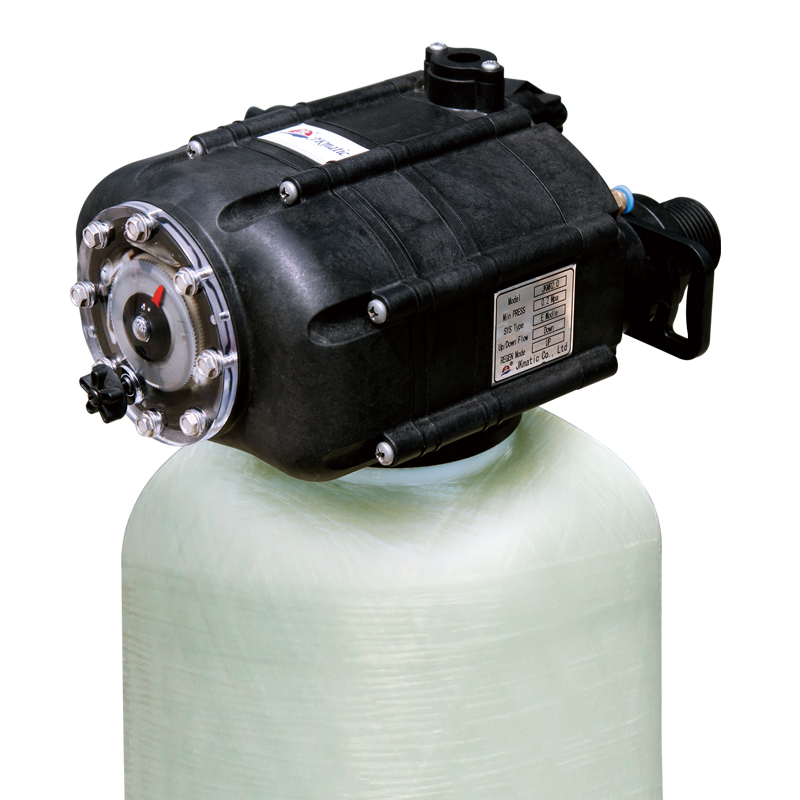
In recent years, the demand for environmentally friendly and energy-efficient water treatment solutions has surged as consumers and industries alike strive to reduce their ecological footprint while maintaining high-quality water standards. Among the latest advancements in this field are non-electric water softeners, which have garnered positive reviews for their innovative approach to water conditioning without the reliance on electrical power. This article explores the growing interest in these systems, highlights their advantages, and sheds light on a company actively shaping the future of sustainable water treatment products.
### The Rise of Non-Electric Water Softeners
Traditionally, water softening has depended heavily on electric-powered units that use ion-exchange technology to remove hardness minerals such as calcium and magnesium from domestic and industrial water supplies. While effective, these systems consume electricity, contributing to energy bills and environmental impact. The introduction of non-electric water softeners presents a breakthrough by operating without electricity yet delivering comparable performance.
Non-electric water softeners leverage innovative mechanical and hydraulic designs that use water pressure to regenerate the softening media. This approach eliminates the need for an electrical control valve or timer, resulting in units that are simpler, quieter, and often more durable. Homeowners and businesses benefit from reduced maintenance requirements and energy savings, making these systems an attractive choice in regions with limited power access or for those motivated by sustainability.
### Key Benefits Driving Consumer Approval
Recent consumer reviews underline several compelling advantages of non-electric water softener units:
- **Energy Efficiency**: Operating solely on water pressure, they require no electricity, significantly lowering energy consumption and environmental impact.
- **Reliability**: With fewer electronic components, these systems experience less failure risk and have longer lifespans.
- **Easy Installation and Maintenance**: The design simplifies setup without the need for electrical wiring or complex programming.
- **Consistent Softening Performance**: The technology effectively removes hardness minerals, protecting plumbing systems and improving water quality.
- **Environmentally Friendly Operation**: Reduced energy use translates into fewer carbon emissions, aligning with growing eco-conscious consumer values.
These benefits have encouraged a shift among users seeking sustainable alternatives that do not compromise on water softening efficiency.
### Company Spotlight: Pioneering Sustainable Water Treatments
At the forefront of developing advanced water treatment technologies is JKmatic Co., Ltd., a company dedicated to producing new environmentally friendly and energy-efficient products. Situated in a competitive global marketplace, JKmatic emphasizes innovation in crafting water softeners and related equipment that marry ecological sustainability with practical performance.
The firm employs cutting-edge research and engineering processes to create non-electric water softeners that respond to the increasing consumer and regulatory demand for greener solutions. By focusing on mechanical regeneration systems and durable materials, JKmatic ensures its products provide lasting value while minimizing environmental footprints.
Additionally, JKmatic’s commitment to sustainability extends beyond product design. The company integrates eco-friendly manufacturing practices, utilizes recyclable components, and adheres to strict quality standards, thereby supporting a full lifecycle approach to green water treatment.
### Market Implications and Consumer Impact
The broader market for water softening systems is evolving as regulatory bodies worldwide push for energy conservation and water quality improvements. Non-electric water softeners represent an important trend within this landscape by offering a model that balances functionality with sustainability imperatives.
For consumers, adopting non-electric systems provides not only cost savings on energy bills but also contributes to water conservation efforts. Hardened water often leads to scale build-up in pipes and appliances, which reduces efficiency and increases water and energy use. By effectively softening water, these systems help extend appliance life, reduce detergent consumption, and enhance overall domestic and industrial water usage efficiency.
### Future Outlook for Sustainable Water Treatment
Looking ahead, the water treatment industry is poised for significant transformation as innovation continues to drive better environmental outcomes. Companies like JKmatic are leading the charge, developing products that leverage smart design principles without relying heavily on electricity or toxic chemicals.
Research into improved non-electric softening media, hybrid models combining mechanical and minimal electronic controls, and integration with smart home water management systems indicates a bright future for energy-saving water treatment products. Moreover, as water scarcity and pollution challenges intensify globally, the adoption of sustainable technologies will be crucial for ensuring access to clean and safe water supplies.
### Conclusion
The growing popularity of non-electric water softeners highlights a shift towards eco-conscious water treatment solutions that deliver efficiency without sacrificing performance. Positive user reviews and advancing technologies reflect a broader commitment to sustainability in water care.
JKmatic Co., Ltd.’s role in innovating and producing such energy-efficient, environmentally friendly products exemplifies the industry’s potential to redefine how water is treated in homes and businesses. As more consumers and organizations recognize the tangible benefits—reduced energy consumption, lower maintenance costs, and smaller environmental impacts—non-electric water softeners are set to become a staple in sustainable water management.
By embracing these cutting-edge technologies, stakeholders contribute to a healthier planet and improved quality of life through smarter water use, thus laying the groundwork for a greener future.